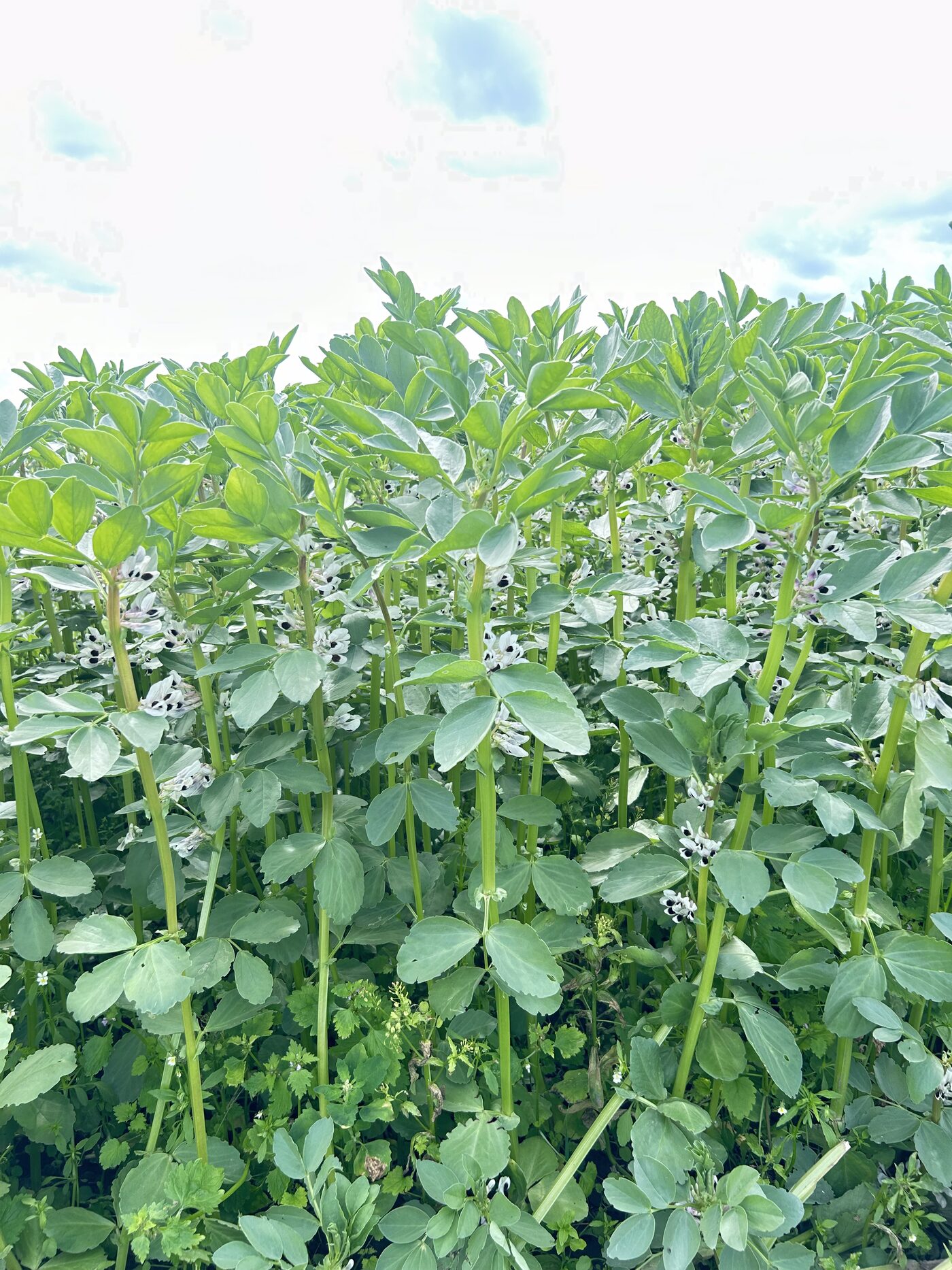
Mid-June rainfall left a large share of crop protection work undone. The growth stages, however, did not wait: winter wheat reached the end of flowering, spring oilseed rape is carrying pests, field bean and pea fields are in full flower, and silage maize is at the critical weed-control stage. When dry weather returns, several jobs are on the table at once — and their time windows do not overlap.
At that moment the bottleneck is not knowing what to do. Most growers know exactly which disease or pest is in their field. The bottleneck is the order — which job to start with when there are only one or two dry days and several decisions are closing at once. This is where it becomes decisive whether the crop protection plan was prepared before the season.
What a good plan decides in advance
A good crop protection plan is not a list of products, but a decision framework thought through before the season. Priorities are set by crop and growth stage, so it is clear which window closes first. Tank mixes and product compatibility are reviewed in advance, so that one pass covers as much as possible. Active-ingredient rotation is planned to avoid resistance. And legal restrictions — for example, that insecticides may be used on flowering crops only at night — are known before you take the sprayer to the field.
When these are on paper, there is no need to calculate from scratch at the critical moment. The decision follows the plan, not emotion and the clock.
This week’s example
When the first dry window opens, it is worth putting the winter wheat fungicide first: at the end of flowering (BBCH 69) the window closes, and on early varieties it has already passed. On spring oilseed rape, watch the pollen beetle and the diamondback moth, which quickly reduce yield if left untreated. In field bean, during full flowering, timely control of the bean weevil with a systemic insecticide is important — but on a flowering field only at night, to protect pollinators.
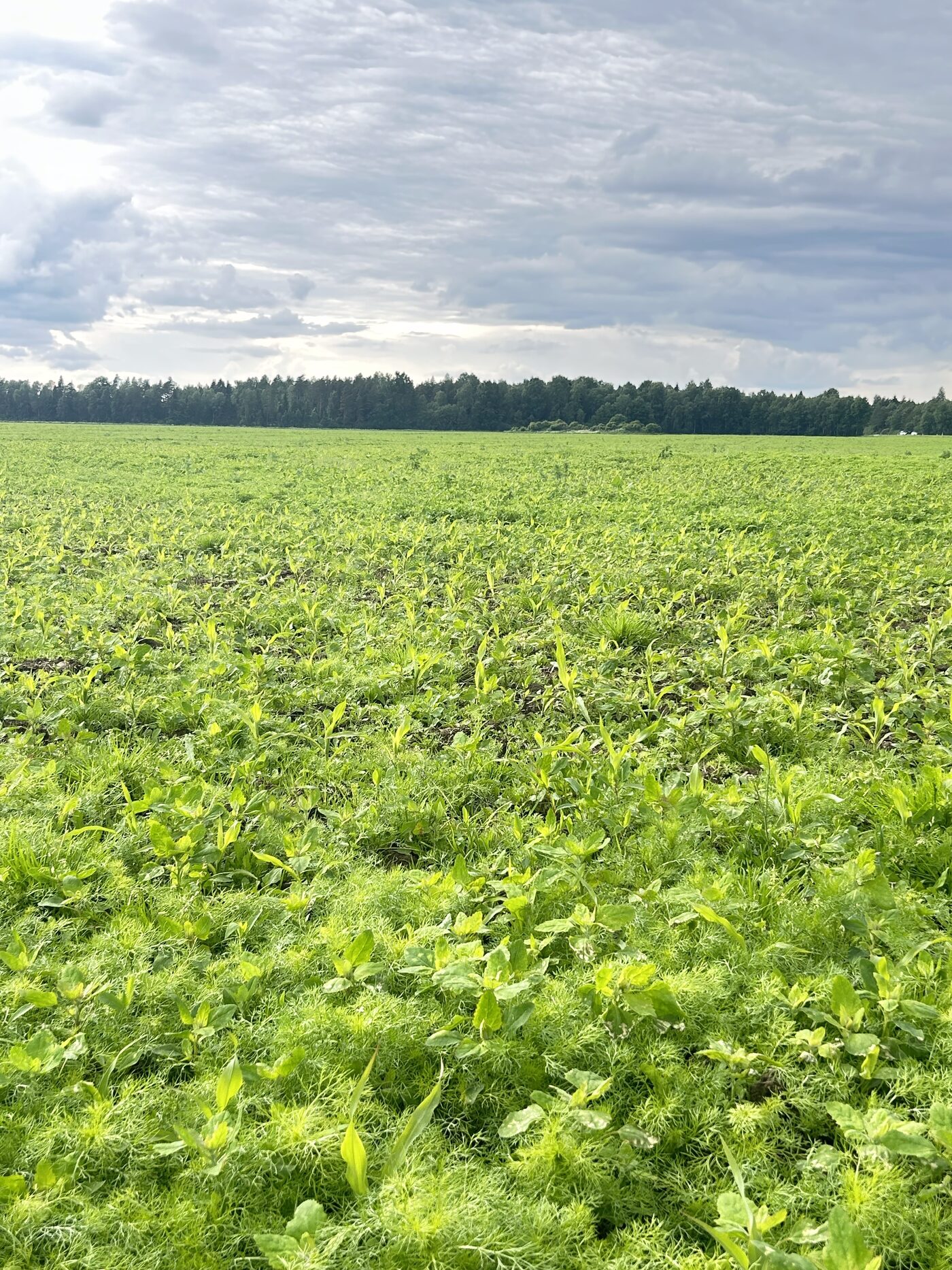
Silage maize deserves separate attention. This spring I have seen weed-choked maize fields in several places, and on maize the timing of weed control is critical. Maize is a weak competitor when young: if control is late — past the early stage (around the 4–6 leaf stage, before the rows close) — weeds get ahead of the maize and yield usually suffers noticeably. A wet spring that piles all the work together is exactly the situation where maize weed control tends to slip.
A plan also requires capacity
A plan tells you in which order to act — but you can carry it out only if the machinery is ready. A narrow dry window is as much a capacity question as a planning one. If the throughput of the sprayer and tractor does not cover the area in those few days, or if a machine is out of service at the peak of the season, even the best plan stays on paper. That is why the machinery fleet should be reviewed in the same way in advance: does the capacity match the area, has the servicing been done, and is there reserve for peak load. Preparation does not end with the crop protection plan — it also covers the machines that carry the plan out.
A plan does not change the weather, but it makes the decision certain
We cannot influence the weather. We can influence how ready we are when the dry window finally opens — both in decisions and in machinery.
AgriConsul helps with both: we prepare crop protection plans for Estonian conditions and the specific crop rotation, and we analyse machinery fleet capacity so that it matches the area and the peak load. If you want the next dry window to be spent on work rather than on deciding and waiting, get in touch →
Related service: Want a crop protection plan like this for your fields? See how it works and what you get — Crop protection plan →